Some physicians and patient advocates are concerned that the pursuit of lower Part B drug prices could endanger very sick Medicare Advantage patients if they can’t be treated promptly with the medicine that was their doctor’s first choice.
By Susan Jaffe | Kaiser Health News | September 17, 2018 | This KHN story also ran on 
Starting next year, Medicare Advantage plans will be able to add restrictions on expensive, injectable drugs administered by doctors to treat cancer, rheumatoid arthritis, macular degeneration and other serious diseases.
Under the new rules from Medicare, these private Medicare insurance plans could require patients to try cheaper drugs first. If those are not  effective, then the patients could receive the more expensive medication prescribed by their doctors.
Insurers use such “step therapy” to control drug costs in the employer-based insurance market as well as in Medicare’s stand-alone Part D prescription drug benefit, which generally covers medicine purchased at retail pharmacies or through the mail. The new option allows the private Medicare plans — an alternative to traditional, government-run Medicare — to extend that cost-control strategy to these physician-administered drugs.
…Critics of the new policy, part of the administration’s efforts to fulfill President Donald Trump’s promise to cut drug prices, say it lacks some crucial details, including how to determine when a less expensive drug isn’t effective. [Continued at Kaiser Health News and NPR]
…

 and
and 
 noticed an uptick in mail solicitations from health insurance companies, which can mean only one thing: It’s time for the annual Medicare open enrollment.




 reschool teacher who lives in Kingsley Manor, a retirement community in Los Angeles. “I didn’t know what I was going to do about dental care.”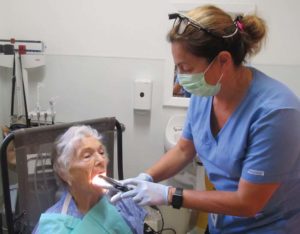
 nis, acting director of the Medicare Enrollment and Appeals Group at the Centers for Medicare & Medicaid Services.
 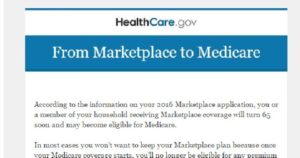 l their marketplace policies.



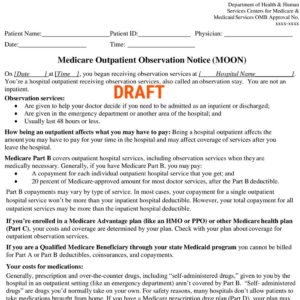 was a response to complaints from Medicare patients who were surprised to learn that although they had spent a few days in the hospital, they were there for observation and were not admitted. Observation patients are considered too sick to go home yet not sick enough to be admitted. They may pay higher charges than admitted patients and do not qualify for Medicare’s nursing home coverage.
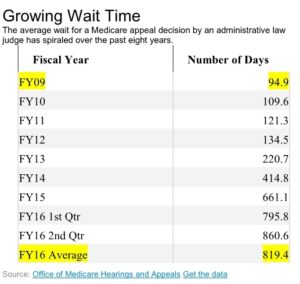 challenging denied claims continues to spiral, increasing the backlog of cases and delaying many decisions well beyond the timeframes set by law, according to a government study released Thursday.
 Looking for ways to save money and improve care, Medicare officials are returning to an old-fashioned idea: house calls.