By Susan Jaffe | February 3, 2016 | Kaiser Health News in collaboration with Money magazine
Danny Thompson’s kidneys have failed and he needs a transplant but in some ways, he’s lucky: Both of his sons want to give him one of theirs, and his Medicare coverage will take care of most his expenses.
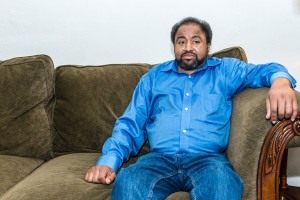
Danny Thompson (Heidi de Marco/KHN)
Yet the 53-year-old Californian is facing another daunting obstacle: He doesn’t
have the money for his share of the medical bills and follow-up drugs, and he can’t buy supplemental insurance to help cover his costs.
“It’s frustrating to be in the shape I’m in,” said Thompson, who depends on dialysis instead of his kidneys to cleanse his blood. “My plan is to get a transplant so I can go back to work.”
Almost one in four Medicare beneficiaries has such a policy, known as Medigap, which is sold by private insurance companies. It can help pay for costs Medicare doesn’t cover, including the 20 percent coinsurance required for medical expenses, including certain drugs, plus deductibles and co-payments. Those expenses have no out-of-pocket limit for beneficiaries.

This KHN story also ran on Money.
Federal law requires companies to sell Medigap plans to any Medicare beneficiary aged 65 or older within six months of signing up for Part B, which covers doctor visits and other outpatient services. If they sign up during this guaranteed open enrollment, they cannot be charged higher premiums due to their medical conditions.
But Congress left it to states to determine whether Medigap plans are sold to the more than 9 million people younger than 65 years old who qualify for Medicare because of a disability. [Continued in Kaiser Health News or Money magazine.]

 fractured hips and head injuries to irreversible calamities that can lead to death.
 nt to control huge hikes in drug costs. And they want the Department of Health and Human Services and National Institutes of Health (HHS) to use it. Earlier this week the group led by Texas Democrat Lloyd Doggett wrote to HHS Secretary Sylvia Matthews Burwell and NIH director Dr. Francis Collins to explain why. [
 The US Congress has become famous for political gridlock but s
 offers the best chance we have to save the one planet we have,” Obama said. “We’ve shown that the world has both the will and the ability to take on this challenge.”
 health care spending in 2014 rose at the fastest rate since 2002 “in part due to the introduction of new drug treatments for hepatitis C as well as of those used to treat cancer and multiple sclerosis.”


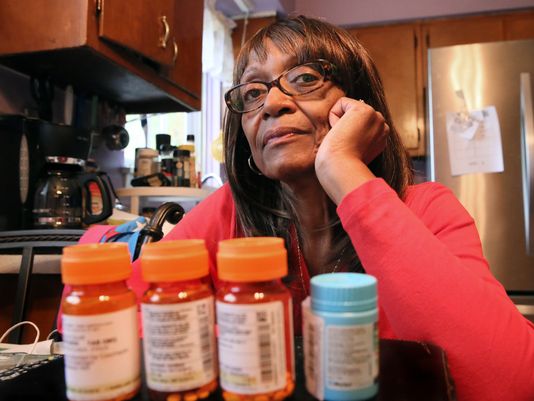

 30 million Americans over 60 years old have difficulty hearing, but less than a third can afford hearing aids, according to a report to President Barack Obama by his Council of Advisors on Science and Technology two weeks ago. Even though hearing loss is often part of the natural aging process, the council did not recommend that Medicare, pay for hearing aids, which can cost an average of $5,000 to $6,000 for a pair. [Continued
 icans have coverage to help pay for their medicine, including most of the 17 million with private insurance policies known as Medicare Advantage, an alternative to traditional Medicare.
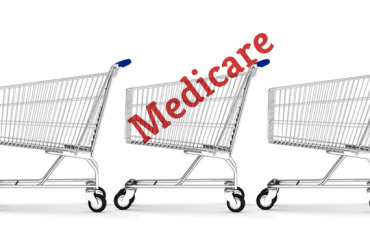 period for these private drug and Advantage plans for 2016 starts Thursday and runs through Dec. 7.
 Connecticut Medicare Advantage plan, including 1,200 doctors at the Yale Medical Group and Yale-New Haven Hospital. Medicare Advantage beneficiaries scrambled to find new insurance or new doctors while the Fairfield and Hartford counties medical associations went to court to try to stop the terminations.


 t been easy—surviving two Supreme Court challenges, nearly done-in by embarrassing technical glitches, and more than 50 congressional votes attempting to dismantle it. But its troubles are not yet over: enrolling new beneficiaries “is going to be tougher than last year”, warned Health and Human Services (HHS) Secretary Sylvia Mathews Burwell.