RETIRING The government has made improvements to the Medicare Plan Finder, a key online tool, in time for open enrollment. It helps seniors compare policies to avoid costly surprises.
By

Finding the best private Medicare Advantage plan that meets multiple medical needs at the right price and includes trusted doctors and hospitals can be like winning at bingo.
To make it easier to sort through dozens of Advantage plans, the Centers for Medicare & Medicaid Services has upgraded its indispensable Medicare Plan Finder website.
For the first time, beneficiaries and those who help them can type in the name of any licensed health care provider — not just doctors, which was the case last year — and find which Advantage plans they accept.
Medicare Advantage is a private alternative to the government-run traditional Medicare program that offers extra benefits the federal program doesn’t. It also has a cap on out-of-pocket expenses. But it usually requires members to use health care professionals in a plan’s network. Doctors and hospitals can leave the network plan any time, while Advantage members cannot (with rare exceptions). [Continued The New York Times.]
…
 Volume 405, Issue 10490


 Volume 393 Number 10191 29 June




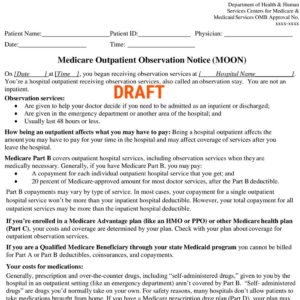 was a response to complaints from Medicare patients who were surprised to learn that although they had spent a few days in the hospital, they were there for observation and were not admitted. Observation patients are considered too sick to go home yet not sick enough to be admitted. They may pay higher charges than admitted patients and do not qualify for Medicare’s nursing home coverage.
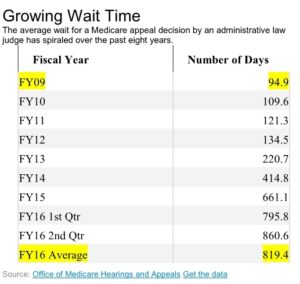 challenging denied claims continues to spiral, increasing the backlog of cases and delaying many decisions well beyond the timeframes set by law, according to a government study released Thursday.