By Susan Jaffe | Kaiser Health News | June 17, 2016 | This KHN story also ran on 
A program that has helped seniors understand the many intricacies of Medicare as well as save them millions of dollars would be eliminated by a budget bill overwhelmingly approved last week by the powerful Senate Appropriations Committee.
The State Health Insurance Assistance Program, or “SHIP,” is among more than a dozen programs left out of the bill by the committee. Cutting these “unnecessary federal programs” helped provide needed funding for other efforts, Sen. Roy Blunt, R-Mo., chairman of the appropriations committee’s health and labor subcommittee, said in a statement last week.
Ending SHIP saves $52 million, which will help pay for a $2 billion increase for the National Institutes of Health, restore year-round Pell Grants, and increase resources to prevent and treat opioid abuse, among other things.
SHIP counselors are in every state, the District of Columbia and the U.S. territories offering free advice on how to choose from an array of drug and health insurance plans, challenge coverage denials, and receive financial subsidies for premiums, co-payments and deductibles. …Ohio’s SHIP program saved seniors $20.8 million in 2015 and was ranked first in the nation by the Department of Health and Human Services, the state’s lieutenant governor announced in February. [Continued on Kaiser Health News or NPR]


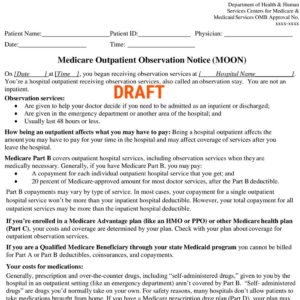 was a response to complaints from Medicare patients who were surprised to learn that although they had spent a few days in the hospital, they were there for observation and were not admitted. Observation patients are considered too sick to go home yet not sick enough to be admitted. They may pay higher charges than admitted patients and do not qualify for Medicare’s nursing home coverage.
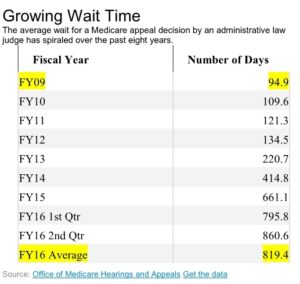 challenging denied claims continues to spiral, increasing the backlog of cases and delaying many decisions well beyond the timeframes set by law, according to a government study released Thursday.
 Looking for ways to save money and improve care, Medicare officials are returning to an old-fashioned idea: house calls.
 cancer prevention, treatment and cures—he pleaded for help from people who know how to marshal massive amounts of health data to create successful businesses, or apps that can guide consumers to the best hospitals. [continued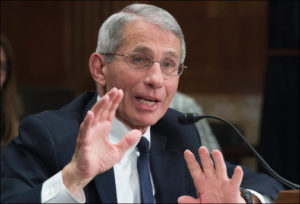
 es and preventing what many scientists believe would be the harmful effects of global warming.